
The first step to becoming a good dermatology patient is to make a booking. It could be acne or the moles that seem to be inappropriate, the loss of hair, a rash that will not go away, or just a better insight into the type of skin you have. A dermatologist is the one to help you with this. Dermatologists are experts in diagnosing, treating, and preventing a diverse set of problems of the skin, hair, and nails. Thus, they should be an invaluable source of support in your long-term health and confidence.
When you are planning your first consultation and have no idea what the process will look like, this detailed guide will help you calm down and define your expectations.
A Review of Your Medical and Skin History
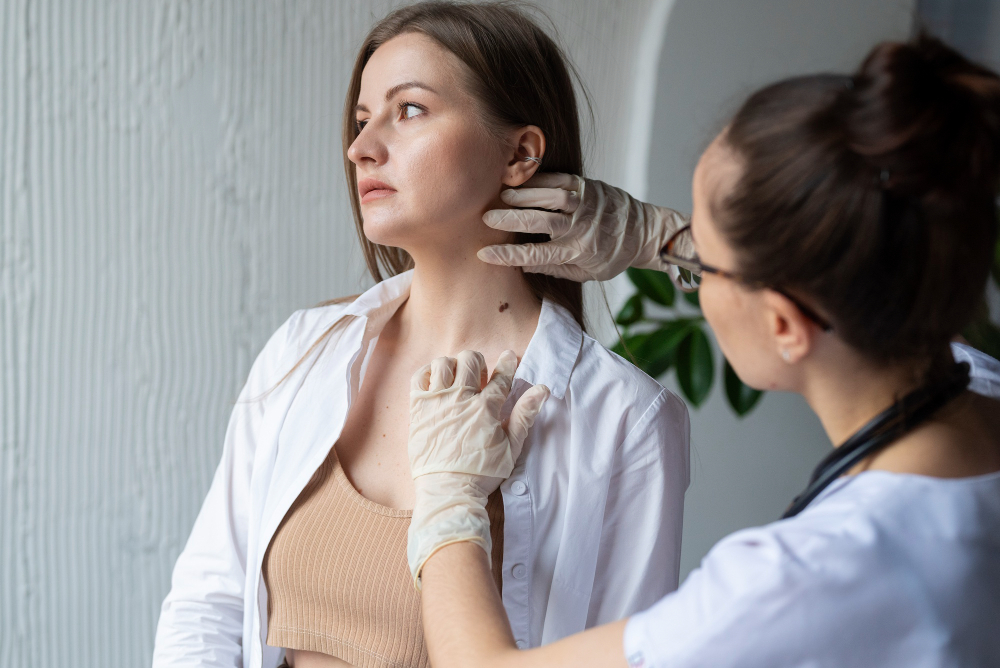
You are generally initiated into a lengthy discussion on your overall health. This will assist the dermatologist in getting to know the source of the concerns and then provide you with the care you need.
You are likely to be asked questions about:
● History of skin disorders such as eczema, psoriasis, or melanoma.
● Previous health problems or current health conditions.
● Lifestyle issues that affect skin health include sun exposure, workplace, cleanliness, diet, and stress.
● Goods that you already use, including moisturizers and cleansers, hair treatments, and makeup.
● Any symptoms that you have observed, such as itching, flaking, unusual spots, or inflammation.
The dermatologist may also access the notes or reports forwarded to him prior to your visit, provided that a primary care provider referred you to the dermatologist. This will help you to be in a good position to go ahead with your dermatologist since they will then have the full picture.
A Thorough Head-to-Toe Skin Examination
Your dermatologist would then proceed to do a visual examination of your skin after the discussion. This is the most uncertain part of it to many first-time patients, but it is far from being unusual, unsafe, or disrespectful.
Here’s what typically happens:
1. You will become a medical dress, and no one will ever lack privacy.
2. The dermatologist will inspect your skin, including your scalp and your feet. This encompasses such places as you might not consider a lot, behind the ears, the toes, your back, and the hairline.
3. The moles or strange spots can be examined closely with the help of a dermatoscope, a small magnifying object with light.
4. The dermatologist will trace any patterns, discolorations, rashes, or growths that might require further treatment.
This should be performed particularly to identify the initial signs of skin cancer, infections, and chronic diseases. In case the physician requires more time, they may prescribe:
● A biopsy to sample a suspicious spot.
● Patch test of possible allergies.
● The swabs are used to determine the presence of bacteria or fungi.
● Lab tests in cases where inner causes are possible of causing skin problems.
A Biopsy is a simple procedure that is fast and performed under the influence of local anesthesia, hence you will not experience much to no pain.
Tip: To make your dermatologist analyze your skin correctly, it is better not to wear lots of makeup, perfumes, nail polish, or jewelry.
Discussion of Findings and Personalized Treatment Options
After the check-up, your dermatologist will take you through all that s/he realized. It is now your opportunity to pose the questions, share the concerns, and get to know more about the ways to enhance your skin health.
The recommendations can be:
● Topical creams or ointments
● Orally administered or injected drugs that are prescribed.
● NR interventions targeted at enhancing the state of skin.
● Therapies of lasers or light.
● Cosmetic surgery or high-tech dermatologic surgery.
● Minor surgical procedures, e.g., cyst/mole removal.
Tips to Make Your First Visit Even Smoother
The initial visit may be very stressful, but the following tips will help:
● Come with a list of all the skincare products that you use on a regular basis.
● Dressed loosely and comfortably.
● Take off make-up and nail polish.
● Carry past medical reports as far as possible.
● Make notes on the symptoms so that you do not forget to mention them.
Such a few steps will help your dermatologist make the correct, meaningful recommendations.
When you need patient-centered dermatology care that is also trustworthy, PerryMed would be glad to help you throughout the process. We have highly qualified dermatologists in the Bronx who offer heart-to-heart consultations, high-quality diagnostic equipment, and tailor-made treatment to patients of all ages. Acne, pigmentation, hair loss, skin cancer screening, and more are all covered with us to guarantee not only a comprehensive, comfortable, and long-term wellness-centered visit.
book your appointment here.