
Heart attacks are sudden and severe, even life-threatening. Most people believe they happen only when they are actively engaged, or while they are awake. But heart attacks can occur during sleep, too — and if one does occur while you are sleeping, it becomes particularly dangerous. When the signs show up at night, sufferers frequently attribute them to indigestion or bad dreams, nighttime anxiety. Identifying the symptoms early can be lifesaving.
This article explains why heart attacks happen while you sleep and what symptoms should never be ignored, risk factors as well as what to do immediately and how hospitals are set up to respond. People with heart disease or at risk should be particularly careful.
Understanding Heart Attacks
A heart attack (also known as a myocardial infarction) happens when blood flow to the heart muscle becomes significantly reduced or blocked. This blockage is due to a buildup of cholesterol, narrowed arteries or blood clots. When the heart muscle is deprived of adequate oxygen, its cells begin to die — causing permanent damage if not treated quickly.
Heart attack symptoms like chest pain, shortness of breath and sweating are easier to recognize in the daytime. But as you sleep, these signals can be so vague they might even feel peculiar or confusing. Some people awaken from sleep with a jerk, gasping for breath or in a cold sweat, having the feeling of being crushed, without realizing that they had breathing stoppages and must breathe harder to overcome obstructed airways. That delay can be deadly.
Paying attention to nighttime symptoms and regarding them seriously is so important. If you or anyone around is experiencing any kind of unusual chest pain or trouble in breathing during sleep, seek medical attention immediately.
Why Do Heart Attacks Happen in Sleep?
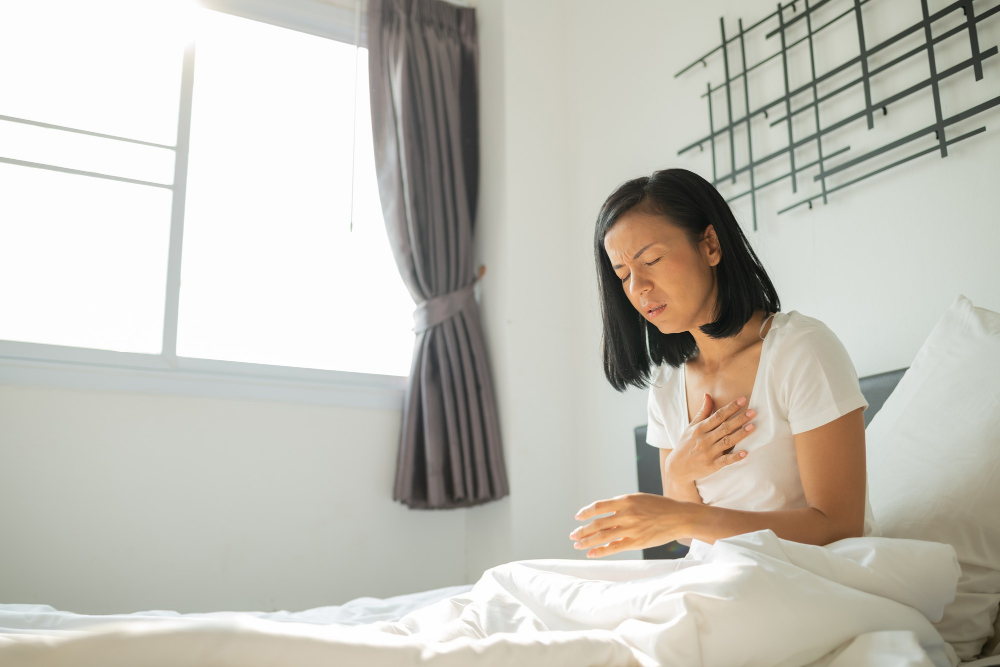
There are a variety of reasons why people experience heart attacks in the middle of the night.
- Fluctuations in blood pressure: Blood pressure tends to decrease when you are asleep. But surges can happen, and they stress the heart.
- Low heart rate: Intervals in the heart rhythm during deep sleep could cause undue strain on the heart.
- Sleep apnea: This disorder leads to repeated cessations in breathing, which can reduce oxygen levels and raise the risk of heart-related incidents.
- Pre-existing heart conditions: People with coronary artery disease, high blood pressure or high cholesterol are at much greater risk.
- Stress and hormones: Hormonal activity at night can impact blood vessel behavior.
It is these factors that can cause heart attacks to happen quietly in your sleep.
Typical Signs of a Heart Attack During Sleep
Nighttime symptoms can be subtle and unsafe. Watch the following signs:
- Spontaneous chest pain: Pressure, fullness or discomfort that wakes you from sleep.
- Shortness of breath: Feeling as if you cannot get enough air or are suffocating.
- Cold sweat: Sweating when you are in bed for no apparent reason.
- Nausea or vomiting: Feeling queasy and tapped out in a way that is unusual.
- Pain spreading to your arms, jaw, shoulder or back.
- Severe fatigue—cannot sit up or walk without moving.
- Lightheaded or faint: The feeling that you are about to pass out.
- Strange anxiety: A feeling as if “something was about to happen.”
- They can be mild initially but should never be dismissed.
Danger Signs You Should Never Ignore
A few nighttime symptoms should be checked out immediately:
- Chest discomfort that does not go away after a few minutes.
- Difficulty breathing that awakens you.
- Sudden, severe left arm or jaw pain.
- Rapid or heavy sweating along with cold, clammy skin.
- Living Nightmare If you also have severe weakness or cannot even stand up.
- No apparent cause for sudden onset of fear or panic.
In case of any of those symptoms, consider an emergency.
The Risk Factors and Triggers for Nighttime Heart Attacks
There are some conditions that create a higher probability of dying from a nighttime heart attack:
- High blood pressure
- Diabetes
- Smoking
- High cholesterol
- Obesity
- Sleep apnea
- Chronic stress
- Sedentary lifestyle
- Family history of heart disease
To know your risk is to take action to protect your heart.
If You Have Symptoms at Night
Symptoms of a Potential Heart Attack If you wake up to any symptoms that can potentially be signs of a heart attack, do the following immediately:
- Stay calm—panicking increases heart strain.
- To help breathing, you can sit up or inflate a pillow and prop yourself up.
- Call emergency services right away.
- Use any prescribed medication, such as nitroglycerin, your doctor has given you.
- Avoid eating or drinking anything.
- Do not close your eyes and hope it will go away.
- Time is of the essence — faster treatment reduces heart damage and improves survival.
How Hospitals Treat Heart Attacks
But in high-tech U.S. hospitals, heart care also has progressed dramatically. If you turn up with what looks to be heart attack symptoms, you can expect the following:
- Rapid ECG: To determine heart rate issues or damage.
- Blood tests: A test to check for an increase in cardiac enzymes, which is a sign of heart damage; there are three diverse types of diagnostic blood tests.
- Drugs: Blood thinners, antiplatelets, and analgesics are prescribed.
- Angiography: Pictures of arteries are made to look for blockages.
- Angioplasty or stenting: Clogs are cleared to allow blood flow again.
- ICU surveillance: Keeping a watch over the patient’s condition to stabilize them.
- Prompt hospital response leads to vastly better results.
Prevention Tips to Reduce Risk
Good habits bring down your chances of having a nocturnal heart attack:
- opt for a heart-healthy, low-fat, and low-salt diet.
- Get at least thirty minutes of exercise each day.
- Get high blood pressure and diabetes under control.
- Stop smoking and lose the alcohol.
- These options treat sleep apnea and other sleep disorders.
- Manage stress with meditation, deep breathing and relaxation.
- Go for regular cardiac check-ups.
- Follow medications as prescribed.
- You can help protect your heart with slight changes in your lifestyle.
When to See a Doctor
If you have frequent symptoms, make an appointment to see a doctor.
- Mild but frequent chest discomfort
- Shortness of breath during sleep
- Sudden nighttime sweating or dizziness
- Increasing fatigue or weakness
- Any of the risk factors like high blood pressure, diabetes, or family history of heart disease
- Early diagnosis prevents complications.
Conclusion
Heart attacks during sleep are particularly dangerous because they are often misinterpreted or ignored. And being attuned to them — chest pressure, shortness of breath, cold sweats, pain that radiates down an arm or into the jaw — can be the difference between life and death. If you ever wake up to these symptoms, get medical help right away. You know that you can take actions that matter — because of developments in cardiac care and in our knowledge about risk factors. Remain vigilant, take precautions to keep yourself safe and consult a doctor immediately if you are feeling unwell.
Perry Med Cardiology Care Bronx
When you live in or near the Bronx, getting reliable care for cardiac issues is essential—when it is an emergency that happens while sleeping, even more so! PerryMed is a leading provider of tertiary cardiology delivered by highly trained heart specialists who are resolute to prevention, diagnosis, and treatment. This decreases the risk of heart disease with a full-service heart program that provides prompt diagnosis, expert monitoring and personalized plans specifically designed for long-term cardiac health.
Visit our dedicated Cardiologist in Bronx to book an appointment.