
Rosacea is a common skin condition that typically occurs on the face and causes redness, visible blood vessels, and sometimes acne-like breakouts. The disease can negatively impact a person’s appearance, self-esteem, and quality of life. The disease’s primary etiology is unknown; however, some triggers that can exacerbate the severity of symptoms, such as the environment, some foods, or stress, are well-known. Another trigger of growing interest is allergies. Therefore, what is the link between allergies and rosacea? This paper delves into this question.
Background Information on Rosacea
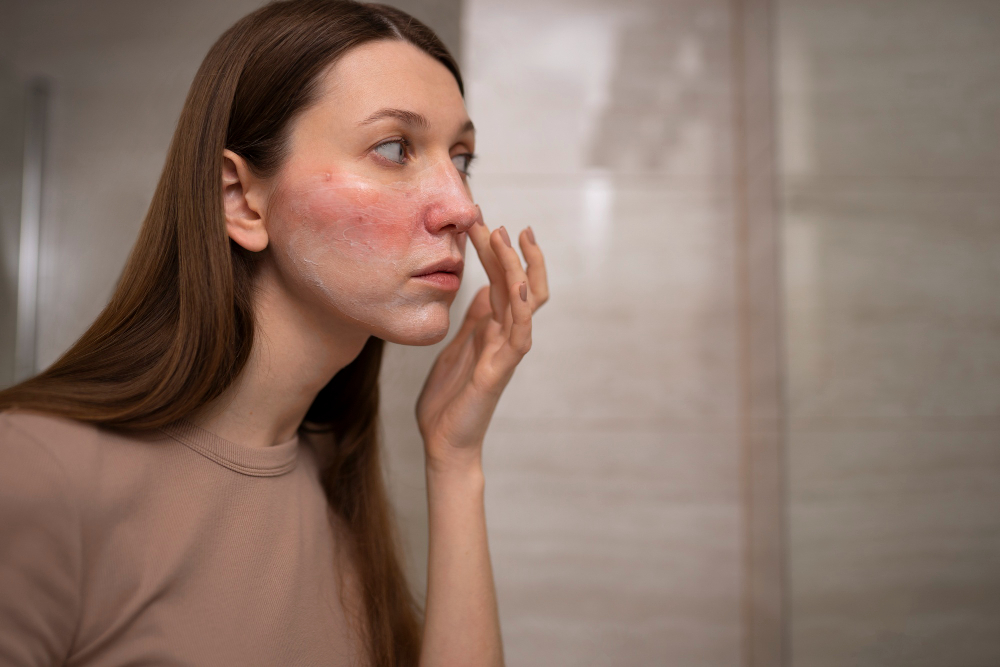
Rosacea is characterized by persistent redness of the face, usually on the cheeks, nose, chin, and forehead. Besides, in some circumstances, one may develop small, red, and pus-filled bumps that look like acne. The disease’s primary cause remains unknown, with scientists suggesting several factors that could contribute to rosacea occurrence, including hereditary nature, certain environmental factors, and blood vessels that lead to redness. Many individuals with rosacea suffer from flare-ups that are usually triggered by certain factors, such as too much sunlight, hot weather, or spicy food. For some individuals, allergies may also prove a significant trigger allergen that worsens the conditions of rosacea.
How Allergies Can Worsen Rosacea Allergies are an individual’s aggressive response to substances that are safe. These materials induce an immune response, resulting in inflammation, which may manifest itself in various organ structures, including the skin. For individuals with rosacea, allergens can cause inflammation in the skin and exacerbate their symptoms.
Here Are A Few Ways That Allergies Exacerbate Rosacea:
- More Inflammation: Both rosacea and allergies cause inflammation. In those afflicted with rosacea the skin’s blood vessels are already hypersensitive and the immune system overreacts to allergens. This makes blood vessels dilate, increasing redness and the appearance of broken blood vessels, exacerbating rosacea signs.
- Food Allergies – Some foods and beverages such as spicy food, hot drinks and alcohol are culprits for causing rosacea. Furthermore, food allergies can lead to systemic inflammation and create rosacea flare-ups. “If a specific food, for example tomatoes or citrus or dairy, can agitate inflammation in someone which is also causing activated allergies to influence the skin.
- Environmental Allergens: Environmental allergens (such as pollen, dust, and pollution) can intensify both rosacea and allergy symptoms. People with rosacea may experience skin irritation, redness, or flare-ups when exposed to these allergens. Airborne allergens can also irritate the eyes, a frequent issue in rosacea patients and those with sensitive skin around the eyes.
- Drugs: Allergy medicines, för example antihistamines, can dry the skin at times and thereby worsen rosacea. Sometimes, too, topical treatments for allergies, such as nose sprays or certain ointments, include some ingredients that can irritate the skin and aggravating the condition.
Rosacea Triggers Associated with Allergies
Identifying what causes your allergies and rosacea is important to controlling the conditions. Here are some of the most common triggers to keep an eye out for:
- Pollen: Allergies that accompany pollen season can also exacerbate rosacea. If you live in an area with high pollen counts, try to avoid outdoor activity during peak pollen seasons and on windy days.
- They include Dust and Pet Dander These are frequent indoor allergens which can worsen your rosacea. Air purifiers and keeping pets out of the bedroom may also help minimize exposure.
- Food Sensitivities: If you think that certain foods could be triggering your rosacea flare-ups then consider writing down the foods that you eat to see if patterns can be identified. Avoiding known triggers — such as spicy foods, caffeine, and alcohol — could help control both allergy- and rosacea-related symptoms.
How To Treat Rosacea With Allergies.
I have a multi prong approach to treating rosacea with allergies. Here are a few suggestions to ease the load of both conditions:
- See a Dermatologist: If you suffer with Rosacea as well as allergies, you should consult a dermatologist on treating both conditions. Topical medications, oral medications, or a personalized approach to your skin care routine may be prescribed by a dermatologist. Topical anti-inflammatory creams and oral antibiotics can calm flare-ups and appearance of skin.
- Identify and Avoid Allergens: Identifying the allergens which trigger both your rosacea and allergy symptoms can help you avoid them! For example, remaining indoors when pollen levels are highest and using hypoallergenic bedding or avoiding known allergens in food can prevent flare-ups.
- Mild Skin Care: Choose gentle, fragrance-free skin-care products for sensitive skin. They can also irritate the skin, and, in those with rosacea, cause its symptoms to flare. Choose calming ingredients such as aloe vera, chamomile and niacinamide, which are least likely to irritate the skin.
- Control Environment: Keep your home clean of irritants. Invest in an air purifier, close windows during severe pollen seasons, and do not smoke nor be around secondhand smoke as it can all create a flare.
- Medication and Allergy Treatments: If allergies are the driving factor, see an allergist to alleviate allergy symptoms. Antihistamines, nasal sprays, or allergy shots can help minimize allergic reactions, thus possibly diminishing rosacea flare-ups.
If you are one of those suffering with both rosacea and allergies, it is important to see a practice for proper care in managing both. At Perry Med, our team of dermatologists can tailor a plan that is right for you. We have effective solutions to manage rosacea and minimize allergic responses.
For expert advice and to book a consultation with a dermatologist in the Bronx, visit our website.