
Dry Eye Syndrome – Dry eye occurs when the eyes do not produce enough tears, or when your tears are poor-quality. And this is more common today in the digital age. Dry eyes may cause mild irritation to severe amount of pain. But there is another less-discussed repercussion of this syndrome: headaches. I hear from many patients with dry eyes that they are also getting headaches, so this is a common complaint. So right now, let us talk about the correlation between dry eye syndrome and headaches.
What is Dry Eye Syndrome?
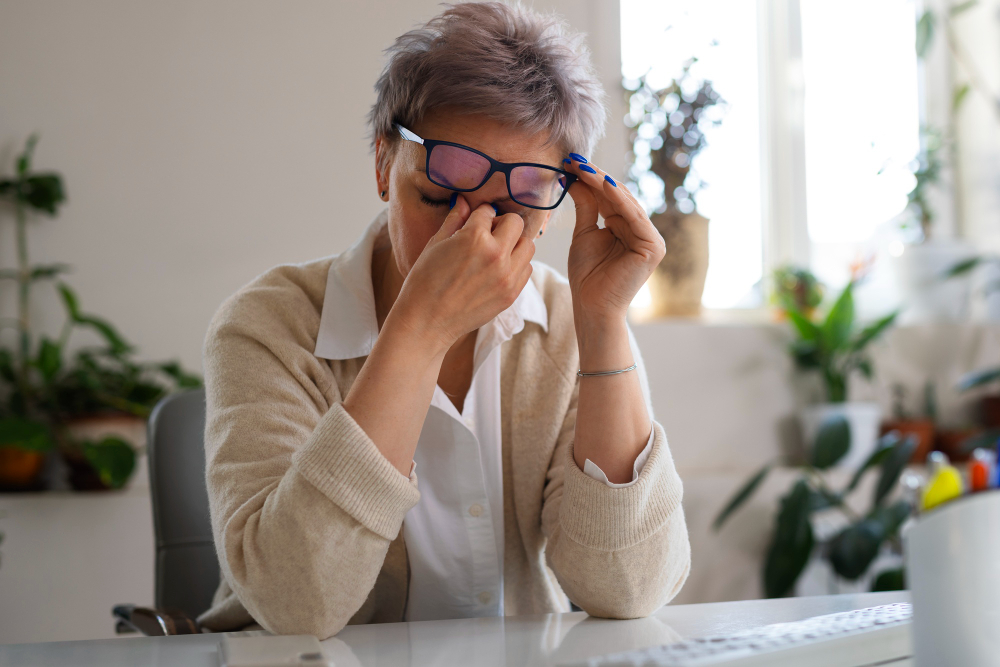
What is dry eye syndrome Dry eye syndrome, also known as dry eye disease, is when there is an exception in the tear film covering our eyes. As a result of such interruption, irritation, redness and the sensation of grit in the eye will occur, and occasionally there may be blurring. The reasons behind the dry eye syndrome may differ, and can range from age-related factors such as extended screens time to medications; environmental causes including dry air; or underlying conditions like autoimmune diseases.
Tears help the eyes maintain a steady covering to stay moist and guard from foreign objects. When this barrier becomes damaged, the eyes dry out and become irritated, causing discomfort.
Why Can Dry Eye Syndrome Cause Headaches?
Sticky eyes and headaches might sound like two unrelated problems, but they are indeed interconnected. It can also cause headaches due to the following: Here are some reasons how dry eye syndrome cause headaches.
Eye Strain
Eye strain is a leading reason that people with dry eye syndrome suffer from headaches. When our eyes are dry and sore, we squint or strain to focus. This constant strain on the muscles of the eye can cause tension in the forehead, temples as well as at the back of your neck (leading to tension-type headaches). The longer the eyes go without proper lubrication, and the more they are irritated, the greater risk of eye strain that adds to already painful headache symptoms.
Increased Sensitivity to Light
Sensitivity to light, Photophobia, is also a frequent symptom of Dry Eye. If you’re suffering from dry eyes, then bright lights or light extremes may be your enemy, especially digital screens and fluorescent lights. This sensitivity may provoke or exacerbate headaches, especially in the case of migraines (since when you have a headache, your eyes are more sensitive to light this is already more demanding).
Neck and Shoulder Tension
Dry eye syndrome can result in pain in the facial muscles (including around the eyes, face and neck). As the muscles around our eyes tire from all those strained looks, tension travels to the neck and shoulders. This muscle stress may also cause headaches because the muscles of your head and neck are connected. Some people who have dry eye syndrome develop headaches from muscle tension, which may result from irritation in the eyes.
Underlying Conditions
Occasionally, dry eyes could be an indicator of other health issues, such as autoimmune diseases – like rheumatoid arthritis or Sjögren’s syndrome. These mastocytosis conditions frequently cause systemic inflammation in the body, which can set off headaches. Nerve and blood vessel function in the head can be affected by inflammatory conditions, which may make people susceptible to headaches as well as dry eyes.
Medication Side Effects
Some drugs that are used to treat dry eye syndrome or related diseases (such as antihistamines, antidepressants, and medications for autoimmune diseases) can cause headaches. They might dry out mouth, nose, and eyes, making the already uncomfortable symptoms worse. Some drugs also are known to cause headaches as a side effect, especially when used in conjunction with other treatments.
How to Treat Dry Eye Syndrome and Headaches
If you have dry eyes and headaches, be proactive in treating both. The following are some chiropractor-approved solutions you could try to ease pain:
Visit an Optometrist
If you are suffering from dry eyes and frequent headaches both of them, then it is high time to see an optometrist. Eye exams: Your eye care professional may perform a comprehensive eye exam to help identify the cause of your dry eyes and headaches. They might suggest lubricating eye drops, medications to treat the underlying disease or changes in your lifestyle to help with both problems.
Take Regular Breaks from Screens
Extended use of electronic screens is one leading cause of dry eyes. To spare your eyes a bit, don’t forget the 20-20-20 rule: every 20 minutes, take a break for at least 20 seconds and look at something that’s about 20 feet away. That way your eyes have to opportunity to relax and refresh from looking at a screen, in turn making it less likely for you to suffer eye strain and headaches.
Use Lubricating Eye Drops
Artificial tears or lubricating eye drops can relieve dry eyes by moistening the surface of the eyes. During an attack, they can give temporary relief and ease symptoms. Because lubricating drops aid in the moisture of your eyes, they can reduce eye strain and hence prevent headaches from occurring due to eye fatigue.
Creating a Comfortable Environment
A dry or airconditioned climate can aggravate dry eye complaints. You might investigate a humidifier, either for your home or office, to help keep the air moist and alleviate dry eyes. Also, modifying your environment to reduce the glare of the screen or other lighting can help alleviate eye strain and prevent headaches.
Manage Underlying Conditions
If dry eye syndrome is a symptom of another medical condition, such as Sjögren’s syndrome or rheumatoid arthritis, it will be necessary to treat the underlying condition with the guidance of your physician. Addressing that underlying source can help to cut down on both dry eyes and headaches.
Seeking Professional Care
If you are suffering from dry eye syndrome and headaches, you should get professional help. Our optometrists at Perry Med can help you with custom treatment plans for reducing dry eyes and headaches. Eye drops, lifestyle changes and other treatments can help you find relief.
To schedule a consultation with one of our optometrists in the Bronx.