
You’ve tried creams, pumice stones, maybe even home remedies—but those stubborn calluses keep coming back. Could a specialist hold the solution? Many wonder if having a Podiatrist Remove Calluses is truly safe and effective, or just another step in an endless cycle. What really happens when you put your feet in a podiatrist’s hands? The truth might surprise you—and change how you treat your feet for good.
TL;DR
Podiatrists can safely and effectively remove calluses using techniques like quiropodia, enucleation, and salicylic acid treatment. These methods not only relieve pain but also prevent complications and recurrence by addressing underlying causes. Professional care is especially crucial for people with diabetes or circulatory issues. Signs such as persistent pain, resistant calluses, or skin abnormalities indicate it’s time to see a podiatrist.
Talk to experienced podiatrists Bronx for callus removal today!
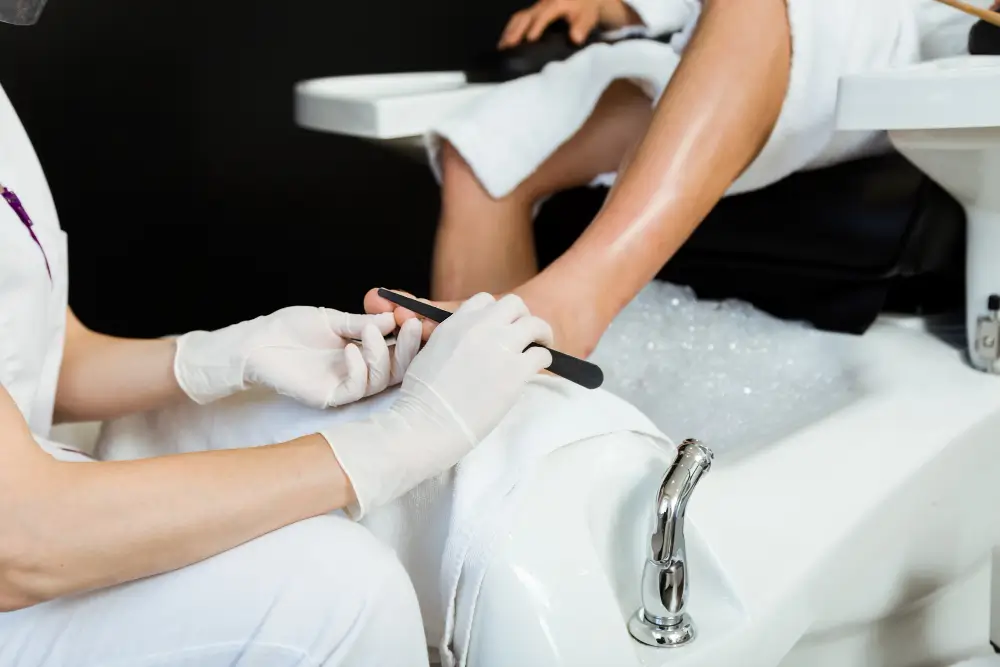
What Methods Do Podiatrists Use to Remove Calluses?
Callus removal isn’t just about aesthetics—it’s part of foot health. Podiatrists use various methods depending on the type, depth, and cause of the callus. Here are the most common procedures used to remove them safely and effectively.
Quiropodia (Deslamination)
This is one of the most frequently used techniques.
- What is it? Quiropodia involves carefully removing layers of thickened, dead skin with a scalpel.
- How it works: The podiatrist gently scrapes the area until reaching healthy, pink skin.
- Benefits:
- Immediate relief from discomfort
- Painless when performed by a trained professional
Enucleation
Mainly used for deeper calluses or helomas.
- How it’s done: The entire callus core is removed using a scalpel or specialized instrument, typically in circular motions.
- Recommended for:
- Calluses that cause intense pressure or pain
- Deep, compacted lesions affecting underlying tissues
Salicylic Acid Use
Sometimes, chemical treatments are applied.
- Purpose: Salicylic acid softens callused tissue to make removal easier.
- Application: It can be applied in-office or recommended for home use with professional oversight.
- Notes:
- May irritate surrounding skin if used improperly
- Not suitable for people with sensitive skin or conditions like diabetes
Footwear Adjustment and Orthotics
Callus removal must be paired with recurrence prevention.
- Footwear evaluation: The podiatrist checks if shoes are causing abnormal pressure or friction.
- Common recommendations:
- Switching to better-fitting or more supportive shoes
- Using custom insoles or orthotics to evenly distribute pressure
Benefits of Professional Callus Removal
Professional callus removal improves both the appearance and health of your feet. Visiting a podiatrist can make the difference between a temporary fix and lasting care.
| Benefit | Description |
| Pain relief | Immediate reduction of discomfort while walking or wearing shoes |
| Smoother feet | Removal of dead skin enhances texture and appearance |
| Fewer complications | Lower infection risk, especially for high-risk individuals |
| Accurate diagnosis | Identification of biomechanical issues or footwear-related problems |
| Safe, effective treatment | Professional tools and techniques protect surrounding skin |
| Improved mobility | Easier walking and daily activity |
| Recurrence prevention | Strategies to help stop the callus from returning |
Professional care offers fast relief and long-term results. With precise diagnosis, safe techniques, and preventive guidance, podiatrists can treat and help prevent recurring calluses.
Safety Considerations in Callus Removal
Callus removal may seem simple, but skipping proper care can lead to serious problems. Follow these safety tips to keep your feet healthy.
Avoid Cutting Calluses
Using blades or sharp tools at home can result in:
- Open wounds
- Infections
- Bleeding
- Damage to healthy tissue
Don’t Use Sharp Objects
Tools like metal files or razors may injure surrounding skin and introduce bacteria.
- Risks include:
- Accidental cuts
- Infection
Use Gentle, Controlled Filing
- Use proper foot files
- Apply gentle, even strokes
Avoid:
- Excessive pressure
- Filing healthy skin
Don’t File Very Hard Calluses
Hard, deep calluses should be treated by a podiatrist.
- Risks of home treatment:
- Cracks or fissures
- Significant pain
- Infection
Hydrate After Treatment
Moisturizing keeps skin soft and may help prevent new calluses.
- Tip: Use a foot-specific cream after filing.
Watch for Signs of Infection
Seek medical attention if you notice:
- Persistent pain
- Redness
- Swelling
- Pus
When to See a Podiatrist for Callus Removal
While some calluses can be treated at home, there are times when you should see a podiatrist. Knowing when to seek help can prevent complications and ensure proper care.
| Reason to Visit | What to Look For |
| Pain while walking | Sharp or ongoing discomfort |
| Calluses that won’t go away | No improvement with home treatment |
| Diabetes or poor circulation | Increased risk of infection or ulcers |
| Possible plantar warts | Unusual appearance or behavior that might be misidentified as a callus |
| Skin or nail changes | Thickening, cracks, or unusual odors |
| Frequent foot or leg injuries | Recurring pain in feet, ankles, or knees |
| Structural deformities | Bunions, claw toes, hammer toes |
| Gait analysis | Flat or high-arched feet |
| Preventive checkups | Active lifestyle or high risk factors |
If your callus is painful, persistent, or tied to a medical condition, don’t wait. A podiatrist can offer safe, customized, and effective solutions that support foot health and comfort.
Key Takeaways
- Specialized techniques like quiropodia, enucleation, and salicylic acid treatments help remove calluses safely while addressing underlying causes.
- Different methods target different callus types
- Quiropodia (deslaminación) removes superficial hardened skin.
- Enucleation treats deep or painful calluses (helomas).
- Salicylic acid softens tissue but must be used under guidance.
- Through personalized orthotics, footwear advice, and diagnosis, podiatrists help prevent callus return and avoid infections or further foot damage.
- Cutting calluses or using sharp objects can cause injuries or infections. Gentle filing and moisturizing are recommended, especially under professional guidance.
- Individuals with diabetes or circulatory problems should never self-treat calluses due to the heightened risk of infection and poor healing.
- Signs that warrant a podiatrist visit include:
- Persistent pain or discomfort when walking
- Ineffective home treatments
- Suspicion of plantar warts
- Skin or nail abnormalities
- Repetitive injuries or structural foot deformities
- Need for gait analysis or preventive evaluation
- It improves mobility, relieves pain, and contributes to overall foot health, especially when guided by an experienced podiatrist.
Sources
- Antończak, P. P., Hartman-Petrycka, M., Garncarczyk, A., Adamczyk, K., Wcisło-Dziadecka, D., & Błońska-Fajfrowska, B. (2023). The Effect of Callus and Corns Removal Treatments on Foot Geometry Parameters, Foot Pressure, and Foot Pain Reduction in Women. Applied Sciences, 13(7), 4319.
https://www.mdpi.com/2076-3417/13/7/4319
- Tobbell, J., & Roberts, P. (2023). Becoming a podiatrist: an exploration of the practices and processes which underpin the acquisition of a professional identity. Journal of foot and ankle research, 16(1), 51.
https://link.springer.com/article/10.1186/s13047-023-00652-w