
Have you ever noticed a painful bump in base of your big toe? Then you might be dealing with a bunion. While a lot of people think bunions are simple cosmetic issue, they are in real a progressive foot deformity that affects comfort, mobility and quality of life.
A proper understanding about bunions, why they arise and how to treat them helps in taking the correct steps toward relief.
What is a Bunion?
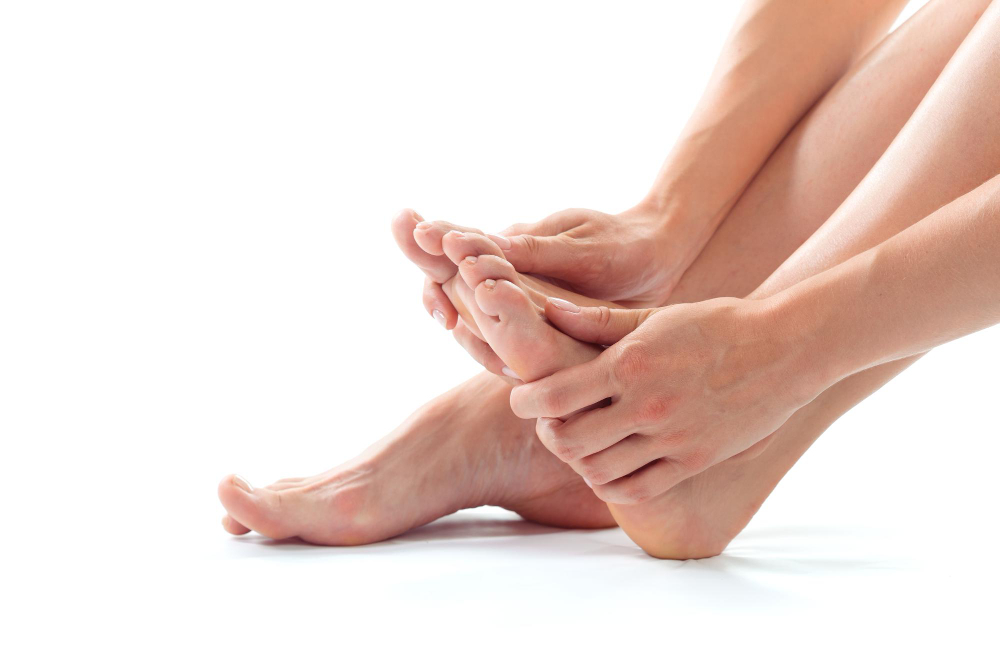
A bunion is a kind of bony bump that arises at the joint where your big toe meets foot. With time, the big toe shifts inward towards the second toe. When the joint becomes out of alignment, the base of the toe pushes outward, creating the visible bump.
This condition is called hallux valgus. Bunions mainly develops very slowly and might initiate with slow discomfort before it progresses to noticeable pain and stiffness.
Signs and Symptoms of Bunions
Bunions do not appear overnight. They start worsening gradually and symptoms usually varies from person to person. Some of the common symptoms are:
- A visible bump on the side of the big toe joint
- Swelling or redness around the joint
- Consistent pain
- Limited movement of the big toe
- Corns or calluses because of overlapping toes
- Finding it difficult to get comfortable shoes
While some people get minimal pain, other might struggle with their day to day activities such as walking or standing for long period of time.
Causes of bunions
There is no single cause of bunions. Rather there are many factors that contributes to their development.
- Genetics and structure of foot: Many bunions are hereditary. When foot shapes, structures of the joint or the ligament laxity is inherited, there is more chance of developing bunion with time.
- Footwear: When shoes are very tight, narrow or high heeled, it crowds the toes and places more pressure on the big toe joint. While footwear along do not cause bunions, it worsens the condition.
- Arthritis and medical conditions: Some inflammatory conditions such as rheumatoid arthritis weakens the stability of the joint and enhances the risk of bunions.
- Abnormal foot mechanics: Flattened feet, overpronation or any previous foot injuries also makes a contribution to formation of bunion.
Treatment of bunions
Treatment is based on how severe the bunion is and the degree of pain it causes. A lot of people can manage symptoms without opting for surgery.
Treatment – Non-surgical
Most of the early stage bunions can be cured conservatively. Some of the options are:
- Wearing shoes having wide toe box
- Making use of customized orthotics for enhancing alignment
- Application of protective padding for decreasing friction
- Icing the area for reducing inflammation
- Taking anti-inflammatory medicines as recommended by doctor
These methods helps in getting relief from discomfort and slow down the progression, but do not cause reversing of deformity.
Treatment –surgical
When pain becomes very severe or causes interference with daily life, surgery might be considered. Bunion surgery involves realignment of the bones, tendons and ligaments for correcting the deformity. Time of recovery mainly depends on the whole process and individual healing.
Intervention early on time can result in good outcomes, so it’s vital not to ignore continuous foot pain.
Why it is important to see a podiatrist?
Bunions worsens with time when left untreated. A podiatrist holds specialization in doing diagnosis and treatment of foot conditions and can suggest the best plan of treatment depending on your specified requirements.
If you are suffering from bunion pain or any discomfort in foot, then the experienced team of podiatry at Perry Avenue Family Medical Center NY offers all-inclusive evaluations and customized treatment options for assisting you in walking comfortably. Whether you require conservative care or advanced options of treatment, their specialists are highly committed in restoring your foot health.
Conclusion
Bunions are more than a foot bump. They are progressive condition that highly affects your mobility and comfort level. But with early intervention and right kind of treatment, you can manage symptoms efficiently and maintain an active and painless lifestyle.
FAQS
Can bunions go without surgical treatment?
No. Bunions are structural deformities and they will not disappear by their own. But symptoms can be managed efficiently with various conservative treatments.
Are bunions are only caused because of wearing high heels?
No. while tight or narrow shoes can worsen bunions, but structure of the foot, genetics and any underlying medical conditions are primary contributors.
When should I see a doctor?
You should see a podiatrist when you experience continuous pain, restricted movement, difficulty in wearing shoes, swelling.
How safe is bunion surgery?
Yes, bunion surgery is safe when it is done by an experienced specialist.