
Stomach flu can strike suddenly and leave you feeling exhausted. After the nausea and diarrhea stop, you may still have a sensitive stomach. You could experience bloating, diarrhea, a poor appetite, or a sense of not quite right after meals. This occurs because the infection causes irritation of the gut lining as well as loss of fluids and salts, and it can lead to a short-term change in the levels of bacteria in your intestines. Many people recover back to normal with time, soft diet choices, and steady hydration.
Step-by-Step Recovery Plan for Gut Health After Stomach Flu
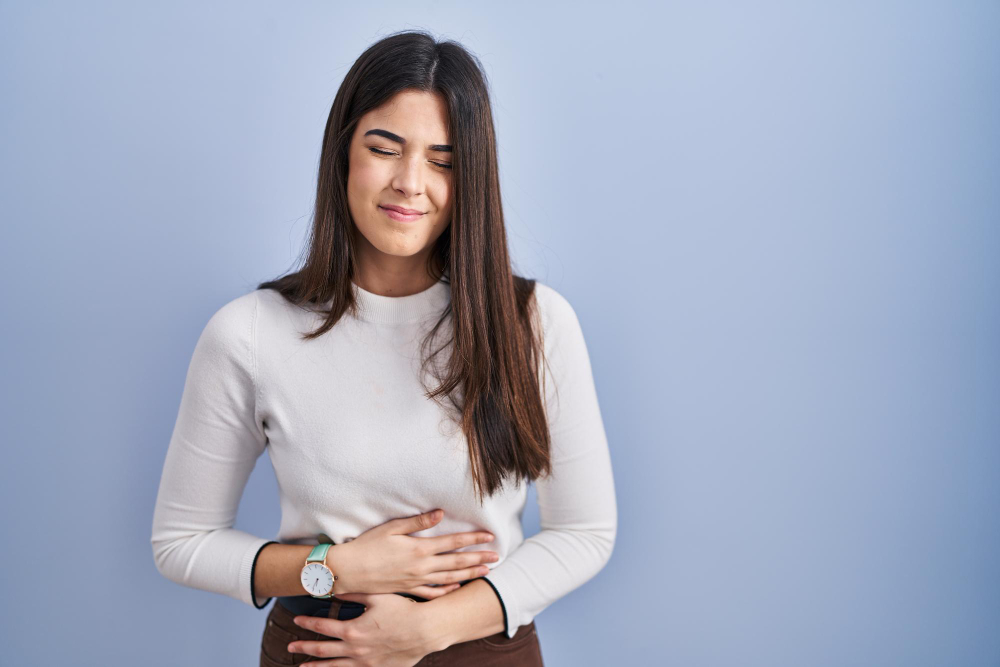
Step 1: Rehydrate fluids and electrolytes
Dehydration that will come after stomach flu could be the most typical reasons why you as the experience weak or feel light-headed. Avoid large quantities, as swallowing large amounts can induce nausea — to be safe, take small sips often throughout the day. Sodium-glucose-mixed oral rehydration solution such as ORS are more effective than the traditional water and salt solution because it also replaces glucose with water and sodium in as appropriate a ratio as possible. You may also replenish salts and fluids in a gentler manner on the stomach by using clear soups and broths. If your urine is dark, you get dizzy standing, your mouth stays dry — that should be a signal for increased fluids.
Step2: Restart Eating Gently
When liquids stay down easily, introduce food gradually. This is because your gut remains sensitive so try to start with soft and bland foods. Consider very easily assimilable and low-fat foods. Things like rice, plain oats, toast, bananas, applesauce, boiled potatoes and simple soups tend to be good. This means having regular and frequent meals in smaller portions instead of large heavy meals. If you become crampy afterward or feel sick to your stomach, decrease the amount of food and simplify the meal for another day.
Step 3: Feed The Positive Bacteria Within Our Gut
Stomach virus can affect your gut balance temporarily. Once your appetite normalizes and your stools start to stabilize, fermented foods can help you restore a healthier balance of gut bacteria. Live-culture yogurt is helpful for many, but if dairy causes gassiness or increases diarrhea, hold it temporarily and choose alternatives such as slightly fermented rice foods. If using probiotic supplements, go on the simple side and do not combine multiple products simultaneously. For the majority of folks, the first food methodology suffices.
Step 4 : Gradually Reintroduce Fiber
Fiber helps the bacteria run your gut, but too much of a good thing too quickly can make you gassy and crampy. Begin With Soothing Foods: Begin with Soothing Foods: Oats, Cooked Carrots, Pumpkin, Soft-Cooked Vegetables, Ripe Bananas, Simple Tuver Dal Meals with Carrot or Pumpkin. Try to wait a day or two with every addition to allow your tummy to adapt before adding more. If bloating worsens, limit fiber for one day, then try with lower quantities again.
What Foods And Drinks Will Delay You
You often start to feel better and then fall ill again as you go back to heavy foods too quickly. Give your dear self a break, avoid fried foods, super-spicy foods, alcohol, and rich in high sugar for at least a week so you can get back up and bounce. Also, carbonated drinks and strong coffee can disturb a stomach that is trying to recover. Although otherwise healthy, raw salads and a lot of beans and very high fiber foods can be hard going in the beginning. Allow a little time for your gut before going back to your normal diet.
No One Talks About How Valuable Rest Can Be
However, since your gut works in tandem with your immune system, recovery is about more than just food. Sleep enables healing, and a hard workout too soon will create a counter-productive feeling. Keep activity easy for a few days after symptoms resolve. As your energy starts to return, they can help with short walks but hold the intense workouts until your appetite is stable and your stools have returned to direction. Stress may ignite gut symptoms too, so uncomplicated practices such as going to bed at the same time each day, as well as quieter nights can permit your tummy to ease quicker.
When To Get Medical Help
While most stomach flu cases get better on their own without treatment, there are signs that they should not be ignored. Contact your doctor if you notice blood in your stool, if the belly pain is strongly worsening, or if you have a fever above about 102 degrees Fahrenheit for more than a couple of days. Get assistance as well if you can’t hold down fluids, diarrhea lasts longer than seven days, or if you see indications of dehydration such as fainting, an extremely weak pee output, or continual lightheadedness. Sooner rather than later people who are pregnant, older, and have conditions impacting immunity should get in touch.
Perry Avenue Family Medical Center — Gastroenterology Support
If your stomach still is not right after the flu, or if symptoms keep recurring, talking with a team of gastroenterology experts may be beneficial. Perry Avenue Family Medical Center can determine the root cause of the lingering problems, direct any necessary tests, and provide a safe roadmap to restore your gut.
Recovery in simple terms
There are three phases in gut recovery, so think in phases. First, replace fluids and salts. Then gradually, re-introduce gentle foods and a wide diet Instead, restore gut balance with regular meals, fermented foods (if tolerated) and slowly increase of fiber. Break it down — MOST people begin to feel significantly better in a few days and improve over the next couple of weeks.