
An itch that won’t go away might seem harmless—but what if it’s something more? While dry skin or allergies are common causes, some persistent itches could point to a more serious issue. What cancers can cause itchy skin—and how can you tell? The link between unexplained itching and certain cancers may surprise you, revealing warning signs that are often overlooked.
TL;DR
Persistent itching can sometimes signal underlying cancers. Skin cancers (melanoma, basal and squamous cell carcinoma), lymphoma, leukemia, liver cancer, and kidney cancer may cause itching due to immune responses, bile salt buildup, renal dysfunction, or treatment effects. Itch may appear early or during disease progression and often comes with other skin changes. Any unexplained or persistent itch should be medically evaluated.
Tired of itchy skin? Book a dermatology consultation in Bronx today for relief! 🩺🌿
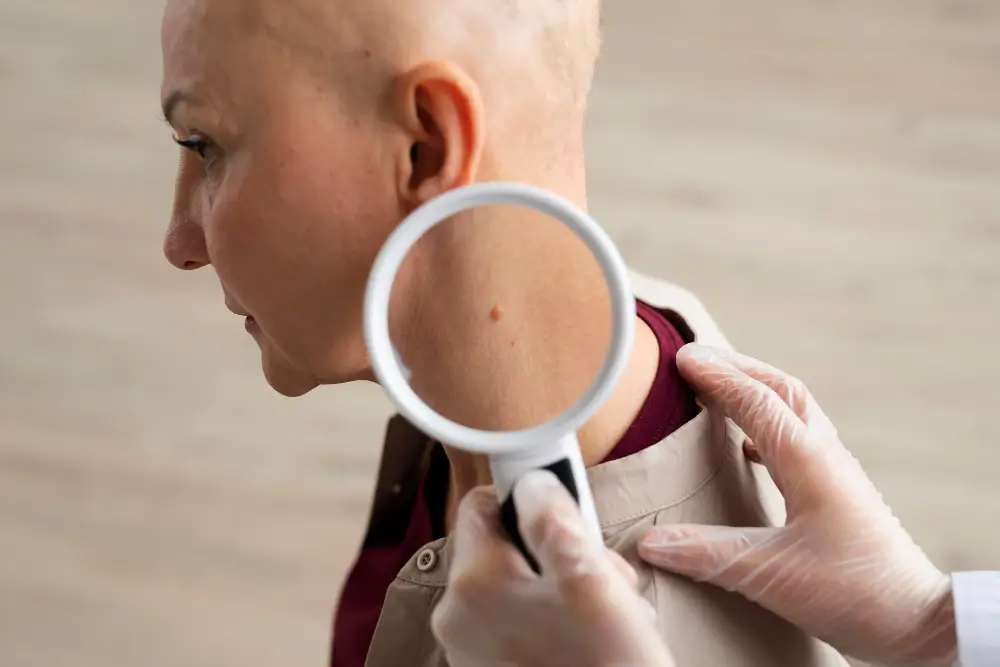
What Cancers Are Most Likely to Cause Itchy Skin?
Several types of cancer may cause itching, either in specific areas or across the body. While this symptom might appear minor, it can be linked to malignant conditions. The following types of cancer are most commonly associated with itching:
| Cancer Type | Itch Pattern | Common Locations |
| Melanoma | Itching around the tumor | Back, legs, neck, face |
| Basal cell carcinoma | Lesions that may itch | Sun-exposed areas |
| Squamous cell carcinoma | Possible itch; higher risk of spreading | Face, ears, neck, hands |
| Cutaneous lymphoma (T/B cells) | Localized or widespread itch | Trunk, limbs |
| Leukemia | Itching without specific skin lesions | Generalized |
| Merkel cell carcinoma | Possibly itchy lesions; more aggressive | Head, neck |
| Skin appendage tumors | Bumps with or without itching | Varies by type |
| Cutaneous sarcomas | Occasional itch; progressive growth | Soft tissues of the skin |
Itching may be an early or secondary sign of cancer, especially skin cancer, lymphoma, and leukemia. If it is persistent, occurs in or near a lesion, or has no clear cause, medical evaluation should be sought. Early detection of these signs can make a difference in diagnosis and treatment.
1. Lymphoma
Lymphoma, including both Hodgkin and non-Hodgkin types, can cause itching (pruritus) as a symptom. In some cases, itching appears before diagnosis and may serve as an early warning sign. It’s linked to immune responses, such as the release of histamine and other chemicals, or may result from treatment.
Types of itch caused by lymphoma:
| Type of Itch | Key Characteristics |
| Generalized itch | Affects the whole body or areas like trunk, limbs, head, or neck |
| Localized itch | Occurs near where the lymphoma is located |
| Itchy skin lesions | May appear as rashes, patches, or bumps that itch |
| Worsens with alcohol | Some people report more intense itching after drinking alcohol |
| Nighttime itching | Can intensify at night and disrupt sleep |
Why it happens:
- Immune response: Immune cells triggered by lymphoma release histamine, causing skin irritation.
- Other factors: Treatments or physiological changes may also lead to itching.
Recognizing the pattern of itch—such as its location, intensity at night, or reaction to alcohol—can help support early diagnosis and better symptom management.
2. Leukemia
Although itching is not a common symptom of leukemia, it can occur due to skin changes caused by the disease or its treatment. Leukemia is a cancer of the blood and bone marrow but may also affect the skin through direct or indirect mechanisms.
Skin-related signs that may include itching:
| Skin Rashes | Lesions that may appear as red spots, plaques, or scaly areas, commonly found on the torso, arms, and legs. |
| Petechiae | Small red or purple dots caused by capillary bleeding, often seen on the extremities. |
| Skin Changes | Dryness, redness, darkening, or itching, especially during or after treatment. |
| Treatment Reactions | Chemotherapy, radiation, or other therapies may lead to side effects like itching, rashes, or dry skin. |
| Skin Infections | Immunosuppression from leukemia increases the risk of infections that may cause itching. |
| Leukemia Cutis | In some cases, leukemia cells infiltrate the skin directly, leading to lesions that may itch. |
Itching in leukemia isn’t typical but may signal complications or side effects that need medical attention. Any unusual skin changes should be monitored and addressed.
3. Liver Cancer (Hepatocellular Carcinoma)
Itching isn’t one of the most common symptoms of liver cancer, but it can appear in some cases. It’s often associated with underlying liver problems and may indicate issues with bile flow.
One reason for itching is the buildup of bile salts under the skin, caused by blocked bile ducts due to tumor growth. This leads to abnormal levels of bile salts in the blood.
In liver cancer, itching may be a sign of impaired liver function or tumor progression. While not the most frequent symptom, it shouldn’t be ignored, especially if it occurs alongside other warning signs. Timely evaluation can improve outcomes.
4. Kidney Cancer
Kidney cancer usually doesn’t cause itching, but the symptom can appear, particularly in advanced stages or when kidney function is compromised. Itching in this context is called uremic pruritus and is common in patients with chronic kidney disease, especially during dialysis.
Possible causes of itching with kidney cancer:
| Chronic Kidney Disease (CKD) | Kidney dysfunction leads to toxin buildup in the blood, which can irritate the skin. |
| Uremic Pruritus | A specific type of itching that occurs in patients with advanced CKD or those undergoing dialysis. |
| Metastasis | If cancer spreads to other areas, such as the bones, it can cause localized itching. |
| Treatment Side Effects | Chemotherapy and other cancer treatments may cause itching as an adverse reaction. |
Though not a frequent symptom, itching may signal kidney dysfunction or treatment reactions. Identifying its cause is essential for proper care. If the itch is persistent or worsening, a full medical evaluation is recommended.
5. Skin Cancer (Melanoma and Non-Melanoma)
Both melanoma and non-melanoma skin cancers—such as basal cell carcinoma and squamous cell carcinoma—can cause itching. This may happen in early stages or later, often with visible skin changes that signal the need for medical evaluation.
Melanoma
Melanoma is an aggressive skin cancer that may develop from existing moles or appear as new lesions. In addition to itching, symptoms may include:
| Itching | May be an early and persistent symptom. |
| Change in a Mole | Increase in size, changes in shape or color. |
| New Spot or Bump | A skin lesion that wasn’t previously present. |
| Bleeding or Pain | Some melanomas can become tender or ulcerated. |
Early detection improves the chances of successful treatment.
Non-Melanoma Skin Cancers
| Cancer Type | Typical Appearance | Itch |
| Basal cell carcinoma | Raised red patch or firm, scar-like area | Common |
| Squamous cell carcinoma | Scaly patch, crust, or ulcer that won’t heal | Possible |
Itching can be an early or progressive symptom of both melanoma and non-melanoma skin cancers. Watching for unusual skin changes and seeking timely evaluation can lead to earlier diagnosis and better treatment.
Key Takeaways
- Persistent Itching May Indicate Underlying Cancer
- While often benign, chronic or unexplained itching can be an early or secondary symptom of certain cancers.
- Skin Cancer
- Melanoma: May cause itchy moles or new pigmented lesions. Accompanied by changes in shape, size, or color.
- Basal Cell Carcinoma: Frequently itchy, presents as raised red patches or scar-like areas.
- Squamous Cell Carcinoma: Possible itching with scaly, crusted, or ulcerated spots.
- Lymphoma (Hodgkin and Non-Hodgkin)
- Pruritus may appear before diagnosis. It can be generalized, localized, worsened by alcohol, or more intense at night.
- Caused by immune responses (histamine release) or cancer treatment effects.
- Leukemia
- Not a common symptom, but can occur due to skin changes or treatment.
- Associated with rashes, petechiae, skin dryness, infections, or direct skin infiltration (leukemia cutis).
- Liver Cancer (Hepatocellular Carcinoma)
- Itching results from bile salt accumulation due to bile duct obstruction.
- May indicate liver dysfunction and is often accompanied by jaundice or abdominal symptoms.
- Kidney Cancer
- Pruritus can stem from chronic kidney disease or treatments.
- Causes include toxin buildup (uremic pruritus), metastatic spread, or therapy-related skin reactions.
- Clinical Importance of Itching as a Symptom
-
- Persistent or unexplained itching, especially with visible skin changes, should prompt medical evaluation.
- Early recognition may lead to faster diagnosis and improved treatment outcomes.
Sources:
- Saini, A., Kumar, M., Bhatt, S., Saini, V., & Malik, A. (2020). Cancer causes and treatments. Int J Pharm Sci Res, 11(7), 3121-3134.
- Leiter, U., Keim, U., & Garbe, C. (2020). Epidemiology of skin cancer: update 2019. Sunlight, vitamin D and skin cancer, 123-139.