
It’s one of the very first shots a newborn receives—often within hours of birth. But why do babies get the Hep B vaccine so early? The answer isn’t as simple as it seems, and the reasoning may surprise you. Behind this early immunization lies a story of prevention, protection, and silent risks you might not expect…
TL;DR
Babies receive the hepatitis B vaccine at birth to prevent early exposure to a virus that can lead to chronic infection, cirrhosis, liver failure, or liver cancer. Vaccinating within 24 hours of birth is crucial to stop mother-to-child transmission. The vaccine builds long-lasting immunity, is 95–100% effective, and is part of the U.S. routine vaccination schedule. It’s a vital public health strategy to reduce disease spread and long-term complications.
Start your baby’s healthy journey—Book their Hep B vaccination in the Bronx today! 🩺🍼
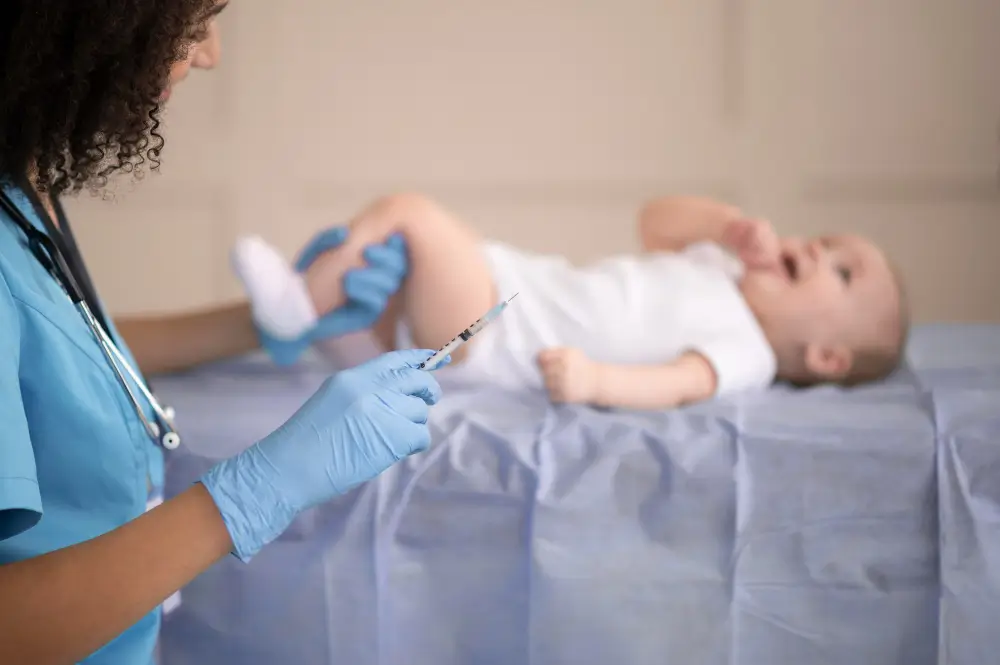
Why Is Hepatitis B Vaccination Important for Babies?
The vaccine should be given within the first 24 hours of life, ideally within the first 4 hours, before the baby leaves the delivery room. This is because a mother infected with the virus can pass it to her child during birth.
The earlier the infection occurs, the greater the risk it becomes chronic. In adulthood, this can lead to cirrhosis or liver cancer.
Vaccinating newborns is an urgent and life-saving measure. Administering the shot during the first hours of life protects the baby from severe infection and lowers the risk of life-threatening liver diseases later on. It’s an early investment in a generation’s health.
Hepatitis B is a Serious Disease
Hepatitis B is a viral infection that mainly affects the liver. While some people experience an acute infection that resolves on its own, many develop a chronic form that can last a lifetime. This persistent infection poses serious health risks and can lead to severe complications.
When it becomes chronic, the consequences can be devastating. These include:
| Cirrhosis | Ongoing liver damage can lead to scarring (cirrhosis), interfering with the liver’s normal function. |
| Liver Failure | Cirrhosis can progress to the point where the liver can no longer perform vital tasks like detoxifying the blood or producing essential proteins. |
| Liver Cancer | Chronic hepatitis B is a major risk factor for developing liver cancer, a condition with high mortality rates. |
| Death | Complications such as liver failure or liver cancer can be fatal if not prevented or treated in time. |
Hepatitis B is not a minor illness. Its effects can be irreversible and dangerous. Timely vaccination in newborns is an effective way to prevent life-threatening outcomes.
Babies Are at Risk of Exposure
Newborns can be exposed to the hepatitis B virus at birth. One of the most common ways is vertical transmission—from mother to child during delivery. If the mother is infected, the risk of passing the virus to the baby is high without preventive steps.
Beyond birth, babies and young children can also become infected through close contact with infected individuals in the household. This risk increases in homes where adults are carriers of the virus, especially without proper precautions.
Babies are especially vulnerable to hepatitis B, both at birth and in early childhood if they live with infected individuals. Fortunately, there are effective preventive strategies, with immediate vaccination being one of the most important to protect their long-term health.
Early Vaccination Builds Immunity
Vaccination against hepatitis B helps establish long-lasting protection in babies. Given in the first days of life, it helps the baby’s immune system develop effective defenses against the virus and lowers the risk of infection later on.
The vaccine stimulates the immune system to produce specific antibodies that recognize and fight the virus. This immune response develops over a series of doses and usually provides long-term protection, lasting many years or even a lifetime.
Benefits of early immunization:
- Long-lasting protection
- Reduced risk of chronic infection
- Prevention of serious complications like cirrhosis and liver cancer
- Development of immune memory, enabling a rapid response to future exposure
- Helps eliminate the virus in the general population
Although antibody levels may decline over time, the body retains immune memory. If exposed to the virus later, the immune system can respond quickly and effectively, preventing disease development.
This vaccine shields babies from their earliest days, providing solid, lasting immunity. It also helps reduce community transmission and prevents the long-term effects of chronic infection. Acting early makes a real difference.
Prevents Chronic Infection
Hepatitis B doesn’t always go away on its own. In many cases—especially in children—it becomes chronic and lasts for life.
This condition involves ongoing liver inflammation, which increases the chance of serious complications over time. The hepatitis B vaccine is the primary tool to stop this progression.
It provides 95–100% protection. By preventing the virus from settling in the body, it breaks the transmission cycle and stops chronic infection, helping reduce the burden of severe liver disease.
Preventable complications include:
| Chronic Hepatitis | Persistent liver infection with ongoing inflammation. |
| Cirrhosis | Progressive liver scarring that impairs its function. |
| Liver Cancer | The virus can lead to hepatocellular carcinoma, a severe form of cancer. |
This is recognized as the first cancer-preventing vaccine worldwide. By stopping chronic hepatitis B, it also prevents liver cancer.
It protects against a dangerous virus, blocks chronic disease, and prevents fatal outcomes. By starting protection at birth, it breaks the cycle and reduces severe liver disease later in life. This makes it one of the most effective public health tools available today.
It’s Part of the Routine Vaccination Schedule
The hepatitis B vaccine is officially part of the U.S. routine childhood immunization schedule. It’s recommended for all infants as part of standard medical care. This is due to its proven effectiveness in preventing severe liver disease and reducing virus spread.
The hepatitis B vaccine is given in three doses during the first year of life:
| Dose | Timing |
| First dose | At birth |
| Second dose | Between 1 and 2 months of age |
| Third dose | Between 6 and 18 months of age |
This schedule ensures full and lasting protection for the child.
What if the vaccine isn’t given at birth?
Even if not administered immediately, additional doses are available for people of any age who haven’t been vaccinated or are at higher risk of exposure.
Including hepatitis B vaccination in the infant schedule protects each child and supports public health efforts to reduce the virus nationwide. Starting at birth is a smart, long-term health measure.
Key Takeaways
- Early vaccination is critical to prevent infection at birth
- La vacuna contra la hepatitis B se administra idealmente dentro de las primeras 24 horas de vida, antes de que el bebé salga de la sala de parto.
- Esto es esencial para evitar la transmisión vertical del virus, de madre a hijo durante el parto.
- Babies are at high risk of exposure
- Los recién nacidos corren un alto riesgo de contagio si la madre está infectada.
- También están en riesgo si conviven estrechamente con personas portadoras del virus en el entorno familiar.
- Hepatitis B is a serious and potentially deadly disease
- Puede causar hepatitis crónica, cirrosis, insuficiencia hepática y cáncer de hígado.
- Las consecuencias de la infección crónica pueden ser irreversibles y mortales.
- Early vaccination builds long-term immunity
- La vacuna estimula al sistema inmunológico para producir anticuerpos protectores.
- Aunque los niveles de anticuerpos pueden disminuir con el tiempo, la memoria inmunológica permite una respuesta rápida y efectiva si se produce exposición al virus.
- Vaccination prevents chronic infection and complications
- La vacuna tiene una eficacia del 95% al 100% y previene la evolución hacia formas crónicas de la enfermedad.
- Al evitar la infección crónica, se reducen los riesgos de cirrosis y cáncer de hígado, convirtiéndola en la primera vacuna reconocida con efecto anticancerígeno.
- It is part of the routine vaccination schedule
- La vacuna está incluida en el calendario nacional de vacunación infantil en EE.UU.
- Se administra en 3 dosis: al nacer, entre 1–2 meses, y entre los 6–18 meses.
- Existen dosis adicionales para personas no vacunadas o en alto riesgo.
- A public health strategy with long-term impact
- Vacunar desde el nacimiento no solo protege al individuo, sino que ayuda a reducir la transmisión comunitaria del virus.
- Es una inversión preventiva clave para la salud a largo plazo de la población.
Sources:
- Pattyn, J., Hendrickx, G., Vorsters, A., & Van Damme, P. (2021). Hepatitis B vaccines. The Journal of infectious diseases, 224(Supplement_4), S343-S351.
- Schillie, S. (2018). Prevention of hepatitis B virus infection in the United States: recommendations of the Advisory Committee on Immunization Practices. MMWR. Recommendations and reports, 67.